









25 February 2025
Future Healthcare Innovations
in Medical Treatment
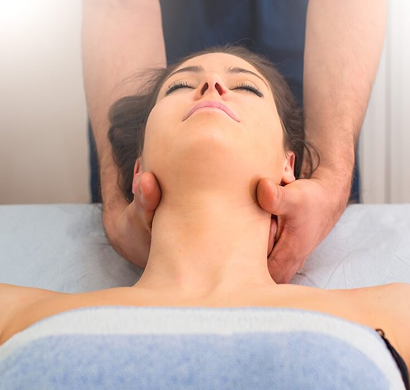
CST
Craniosacral Therapy (CST) is a gentle, non-invasive, and highly effective therapeutic technique used to improve the functioning of the central nervous system and promote overall health and well-being. This specialized form of therapy focuses on the craniosacral system, which includes the brain, spinal cord, and the surrounding membranes and cerebrospinal fluid that protect and nourish these vital structures. CST involves the use of light, precise touch by trained therapists to detect and release restrictions in the craniosacral system.
These restrictions can develop due to physical injuries, stress, trauma, poor posture, or chronic health conditions. By gently relieving tension and improving fluid movement around the brain and spinal cord, CST helps restore balance in the body and enhances its natural healing ability. This therapy is widely used to manage a variety of conditions, including chronic pain, migraines, headaches, neck and back pain, stress-related disorders, anxiety, sleep disturbances, and neurological issues. It is also beneficial for improving relaxation, reducing muscle tension, and enhancing overall physical and mental well-being. Craniosacral Therapy is completely safe, painless, and suitable for patients of all age groups, including children and elderly individuals. The sessions are typically calming and deeply relaxing, often leaving patients feeling refreshed and rejuvenated.
Ortho & Neuro Physio
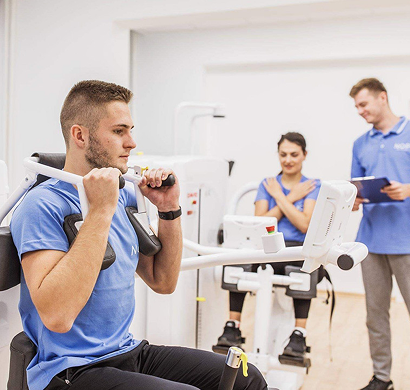
Ortho & Neuro Physiotherapy is a specialized branch of rehabilitation focused on treating conditions related to the musculoskeletal and nervous systems. It combines advanced physiotherapy techniques to help patients recover from injuries, surgeries, and neurological disorders, while improving mobility, strength, coordination, and overall quality of life. Orthopedic Physiotherapy primarily deals with issues affecting bones, joints, muscles, ligaments, and tendons. It is highly effective in managing conditions such as back pain, neck pain, joint stiffness, sports injuries, fractures, arthritis, and post-surgical rehabilitation. Through targeted exercises, manual therapy, and pain management techniques, it helps restore normal movement and reduce discomfort.
Neurological Physiotherapy focuses on patients with disorders of the brain, spinal cord, and nerves. It plays a vital role in rehabilitation for conditions like stroke, paralysis, Parkinson’s disease, multiple sclerosis, spinal cord injuries, and balance or coordination problems. This therapy aims to retrain the nervous system, improve motor function, enhance balance, and support independence in daily activities. The treatment approach is personalized based on the patient’s condition and recovery goals. It may include therapeutic exercises, strength training, balance and coordination activities, posture correction, and advanced rehabilitation techniques. Regular sessions help improve flexibility, reduce pain, prevent further complications, and promote faster recovery.
Cardiorespiratory
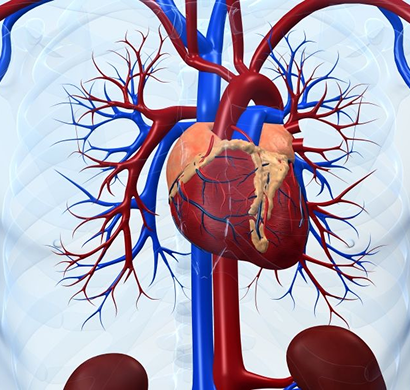
Cardiorespiratory Physiotherapy is a specialized form of rehabilitation focused on improving the function of the heart and lungs. It is designed to help patients manage and recover from conditions affecting the cardiovascular and respiratory systems, enhancing breathing efficiency, physical endurance, and overall quality of life. This therapy is highly beneficial for individuals suffering from conditions such as chronic obstructive pulmonary disease (COPD), asthma, pneumonia, post-COVID complications, heart disease, and those recovering from cardiac or thoracic surgeries. It also supports patients experiencing shortness of breath, reduced stamina, or difficulty performing daily activities due to heart or lung conditions.
Cardiorespiratory Physiotherapy includes a range of techniques such as breathing exercises, airway clearance methods, chest physiotherapy, endurance training, and guided physical activity. These interventions help improve lung capacity, enhance oxygen circulation, clear mucus from airways, and strengthen the respiratory muscles. It also plays a crucial role in cardiac rehabilitation by improving heart efficiency and reducing the risk of future complications. The treatment is tailored to each patient’s condition, ensuring a safe and gradual recovery process.