









25 February 2025
Future Healthcare Innovations
in Medical Treatment
Pulmonary Function Testing
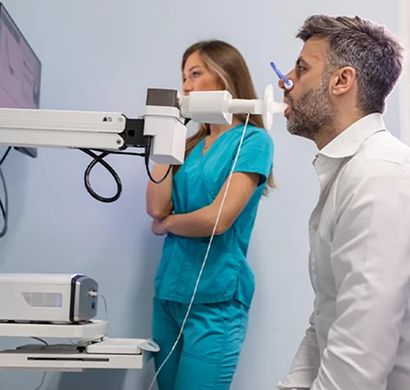
Pulmonary Function Testing (PFT) is a comprehensive and non-invasive diagnostic procedure used to evaluate how well the lungs are functioning. It measures lung capacity, airflow, and the efficiency of oxygen exchange, helping doctors assess overall respiratory health. At advanced diagnostic centers, PFT plays a crucial role in detecting, diagnosing, and monitoring a wide range of lung-related conditions.
This test is highly effective in identifying respiratory disorders such as asthma, chronic obstructive pulmonary disease (COPD), bronchitis, pulmonary fibrosis, and other breathing difficulties. It is also used to evaluate unexplained symptoms like shortness of breath, chronic cough, wheezing, or chest tightness. By analyzing how much air you can inhale and exhale, and how quickly you can do so, doctors gain valuable insights into lung performance. Pulmonary Function Testing is a safe, painless, and quick procedure that typically involves breathing into a specialized device called a spirometer. The test may include different breathing maneuvers to measure lung volumes, airflow rates, and gas exchange efficiency. In some cases, the test may be performed before and after administering medication to assess how the lungs respond to treatment.